Radiation Monitoring
Home
Radiation Monitoring
Overview
Monitoring Exposure. Protecting People.
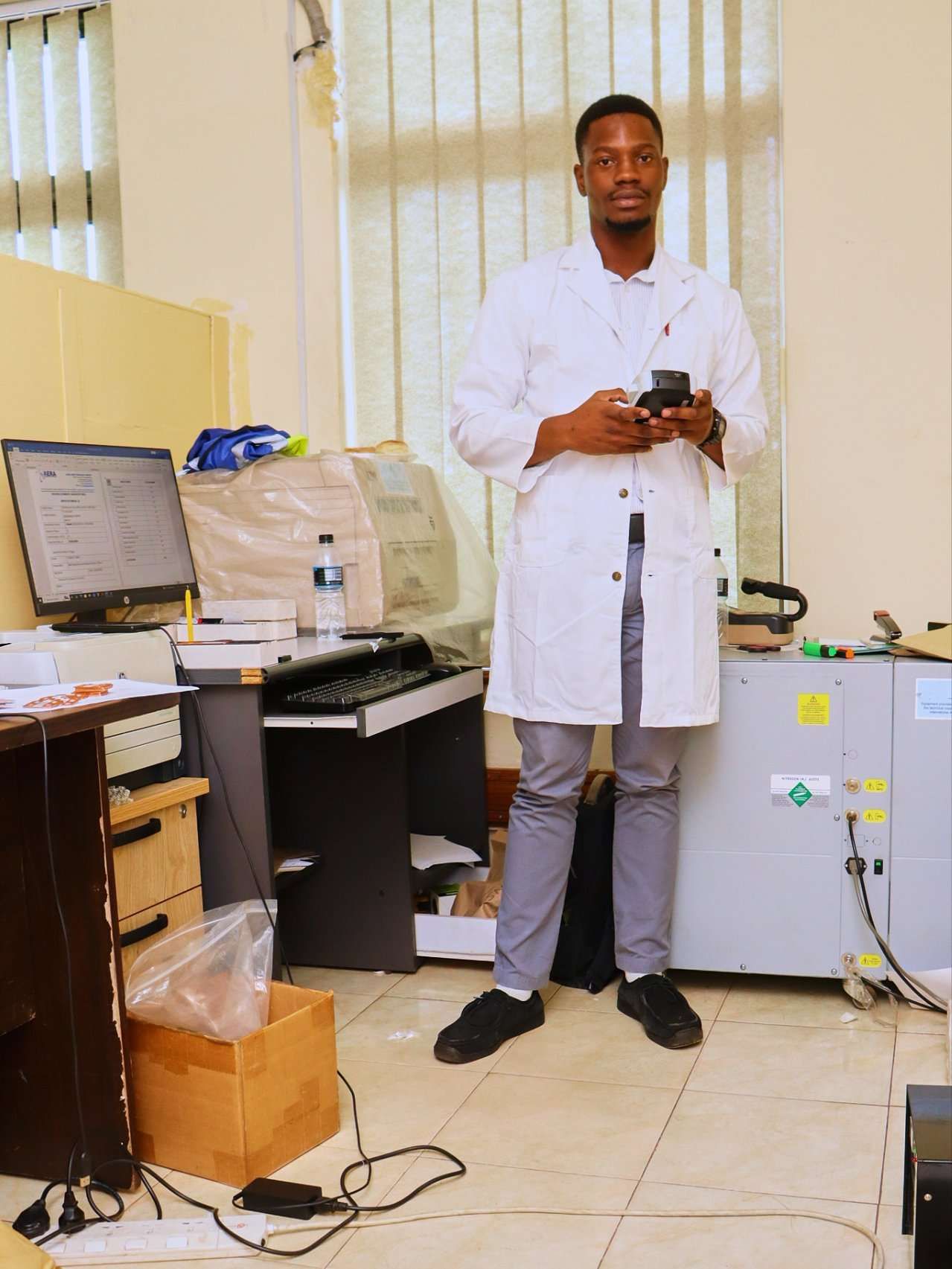
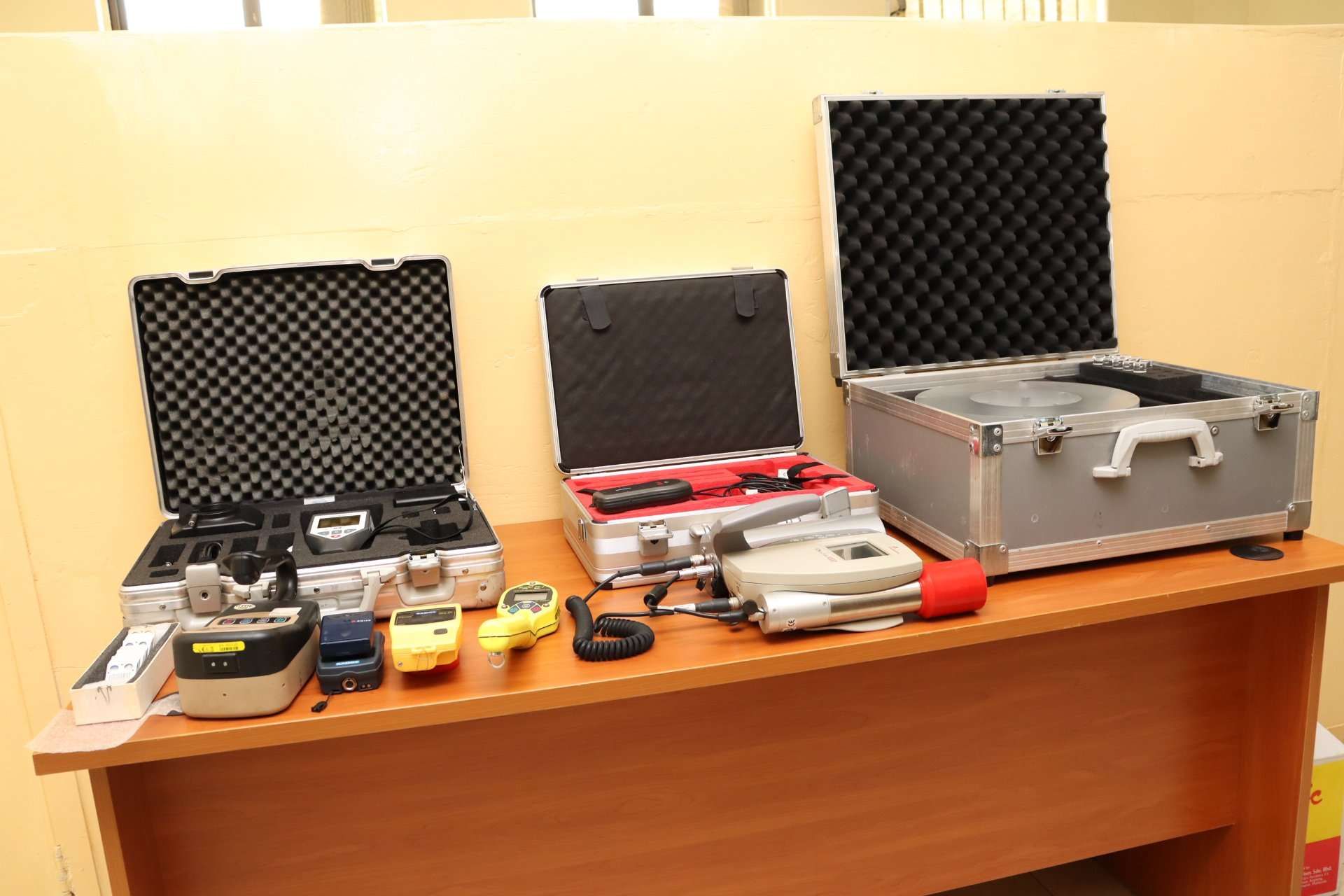
Radiation monitoring is the systematic measurement, assessment, and surveillance of radiation levels and radioactive contamination. Its purpose is to ensure the protection of workers, the public, and the environment from the harmful effects of ionizing radiation.
Radiation monitoring includes both individual monitoring, which assesses radiation exposure received by occupationally exposed persons using personal dosimeters, and environmental monitoring, which evaluates radiation levels and radioactive materials in environmental media such as air, water, soil, and workplaces. These measurements ensure compliance with regulatory safety and security requirements.
Services and Applications
Reliable Monitoring for Safer Workplaces
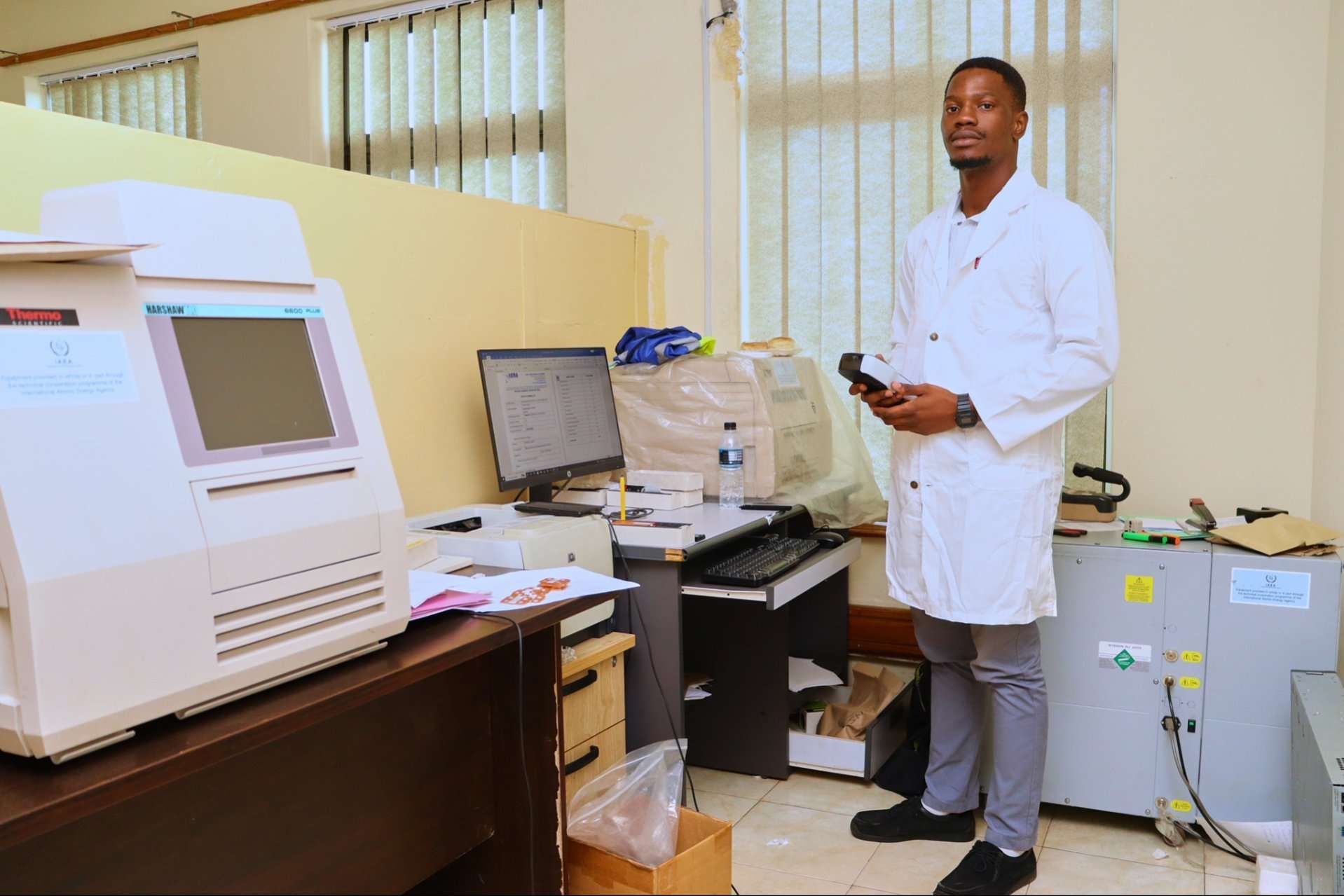
Individual radiation exposure monitoring
Reliable individual radiation exposure monitoring for accurate assessment and protection of occupational exposed workers
How We Do It
Simple, Reliable, and Compliant Monitoring
Fees and Charges
Transparent Pricing for Essential Protection
Monthly Individual Monitoring
Supporting radiation safety through affordable monitoring services, accurate reporting, and transparent fees.
Monthly monitoring fee
MWK 30,000 per person
Lost or irreparably damaged TLD badge
MWK 150,000 per badge
Quarterly Individual Monitoring
Promoting worker safety through reliable monitoring services, accurate dose assessment, and transparent pricing
Quarterly monitoring fee
MWK 60,000 per person
Lost or irreparably damaged TLD badge
MWK 150,000 per badge
Process
A structured and transparent monitoring process
1
Monitoring Application
Facilities identify workers requiring radiation monitoring and submit application and service agreement forms to the NDL. Following review and approval, the facility and workers are registered in the monitoring database, and an invoice is issued for the dosimetry service
1
2
Issuance of TLDs
Thermoluminescent Dosimeters (TLDs) are prepared for registered workers, including a background dosimeter. A dispatch form is generated, and the TLDs are either collected by the facility or delivered through its preferred courier service
2
3
Return of TLDs
At the end of each monitoring period, facilities return used TLDs to the NDL for analysis. Once received, the NDL issues replacement TLDs to ensure continuous occupational radiation exposure monitoring
3
4
Data Analysis and Reporting
Returned TLDs are analysed by the NDL, and dose reports are issued within 10 working days. Where necessary, regulatory guidance is provided, and investigations are conducted for doses that exceed regulatory limits
4
5
Amendment Request
Any request to change the number of monitored workers must be submitted in writing to the National Dosimetry Laboratory (NDL), and facilities may submit multiple amendment requests as needed. All requests must be made at least 30 days before the start of the intended monitoring period
5
Frequently Asked Questions
We Are Happy to Answer Your Questions
At the National Dosimetry Laboratory (NDL), we are committed to providing clear, accurate, and timely information about radiation monitoring services. Whether you are a radiation worker, facility manager, employer, or regulatory stakeholder, we understand that questions may arise regarding dosimetry, dose reporting, compliance requirements, and occupational radiation protection
To support informed decision-making and promote a strong culture of radiation safety, we have compiled answers to some of the most frequently asked questions about individual radiation exposure monitoring. If you do not find the information you are looking for, we encourage you to contact us directly—our team is always ready to provide guidance and assistance on radiation monitoring services and requirements
Contact UsWhat is radiation monitoring
Radiation monitoring is the measurement and assessment of radiation exposure to individuals and the environment
What is a dosimeter
A dosimeter is a device used to measure and record an individual’s exposure to ionizing radiation over a specific period
How does a TLD work
A TLD absorbs radiation energy during use. After the monitoring period, it is processed using specialized equipment that measures the stored energy. This measurement is then converted into the radiation dose received by the wearer
How often should a TLD be worn
A TLD must be worn at all times while working in radiation areas or when operating radiation-generating equipment
Where should a TLD be worn
A whole-body TLD should be worn on the outside of clothing between the neck and waist, with the front facing outward away from the body
Can a TLD be shared between workers
No. Each TLD is strictly personal and assigned to one individual only. Sharing dosimeters is not allowed, as it leads to inaccurate dose records
What happens if a TLD is lost or damaged
If a TLD is lost or returned in an irreparably damaged condition, a replacement fee is charged in accordance with the NDL fee schedule. The facility must also report the loss immediately