Inspection and Enforcement
Home
Inspection and Enforcement
Overview
Inspection and Enforcement Framework
The Inspection and Enforcement Division implements AERA’s statutory mandate to ensure that all facilities, activities and practices involving nuclear and radioactive materials, operate safely, and in full compliance with regulatory requirements. Inspection and Enforcement activities are conducted using a risk-informed, transparent, and legally grounded regulatory approach aligned with international best practices.
The division conducts planned inspections, compliance monitoring, and enforcement actions. Through these methods, the division validates and ensures license holders adhere to approved safety standards, operational procedures, and regulatory obligations. These functions support:
Protection of public health and safety
Protection of the environment
Security of radioactive sources and nuclear materials
Prevention of radiological incidents and illicit trafficking
Assurance of regulatory compliance and accountability
Components
Inspection and Enforcement key regulatory functions
Regulatory Inspections
AERA conducts routine, and reactive inspections of registered/ licensed facilities to verify compliance with regulatory requirements and license conditions
01
Compliance Monitoring
Continuous oversight of licensed activities involving radiation sources, nuclear materials, and associated technologies to ensure adherence to safety and security standards
02
Incident and Investigation Management
Investigation of reported incidents, lost or missing radioactive sources, safety breaches, and other regulatory violations
03
Enforcement Actions
Where non-compliance is identified, AERA may implement regulatory enforcement actions, which may include
- Issuance of compliance directives
- Suspension or revocation of licenses
- Administrative sanctions in accordance with applicable laws
04
Source Security and Control
Verification of the safe management, storage, transport, and disposal of radioactive sources or materials to prevent unauthorized access, loss, or misuse
05
Process
How We Ensure Safety and Compliance
1
Inspection Planning
Inspection activities are scheduled based on risk assessment, regulatory priorities, and compliance history of registered/licensed facilities
1
2
On-site Inspection
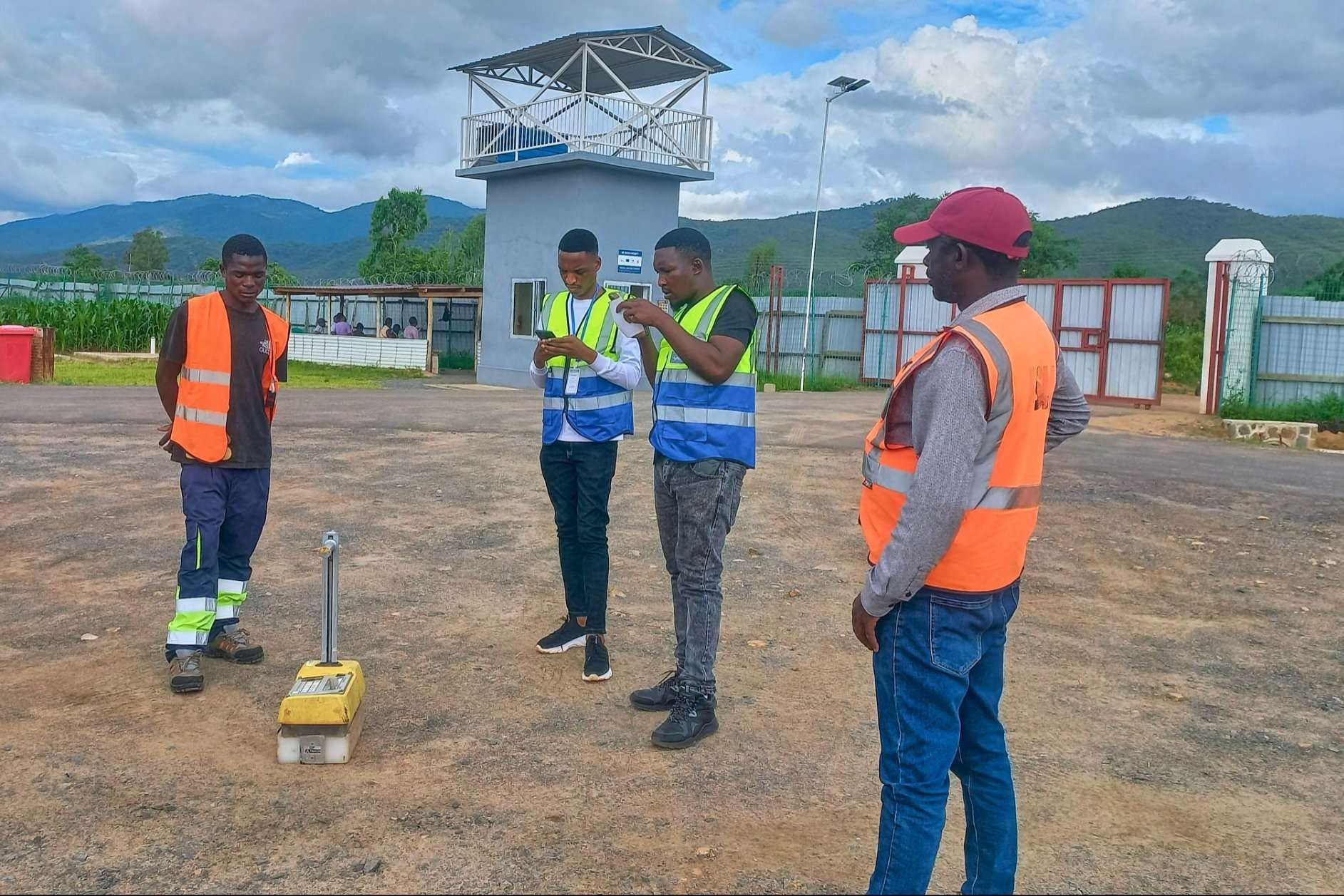
Authorized inspectors conduct site visits to assess operational practices, safety systems, documentation, and radiation measures. Inspection findings are evaluated against regulatory requirements, licensing conditions, and safety standards
2
3
Reporting and Notification
Inspection results are formally documented and communicated to the licensee, including any identified non-compliance issues. Licensees may be required to implement corrective actions within a specified time-frame to address regulatory deficiencies
3
4
Follow-up Inspections
Follow-up inspections verify that corrective actions required by AERA after inspections or investigations have been implemented. They confirm that identified deficiencies are resolved and that operations comply with regulatory requirements
4
5
Enforcement Measures
Where necessary, AERA applies appropriate enforcement actions to ensure compliance and maintain regulatory integrity
5
Types of Inspections
Regulatory Inspection Categories
01
Reporting
Reporting an Incident or Compliance Concern
The Atomic Energy Regulatory Authority (AERA) encourages license holders, workers, and members of the public to report incidents or concerns related to radiation safety, nuclear security, or regulatory compliance. Timely reporting enables AERA to respond promptly and take appropriate regulatory action to protect public health, safety, and the environment
Licensees are required to notify the Authority within 24 hours of an incident and submit a detailed written report within 7 days. Members of the public may report concerns through the Authority’s designated communication channels.
When to Notify Us
Incidents that should be Reported
Reports should be made immediately in situations involving:
Loss, theft, or suspected unauthorized possession of radioactive sources
Missing or damaged radiation equipment
Radiation exposure incidents or accidents
Improper handling, storage, or transport of radioactive materials
Suspected illegal use, or disposal of radioactive sources
Any activity that may pose a radiological risk to workers, the public, or the environment
Frequently Asked Questions
We Are Happy to Answer Your Questions
What is the purpose of inspections conducted by AERA
To verify compliance with national regulatory requirements for radiation safety, nuclear security, and safeguards. Inspections ensure that licensed facilities operate safely, protect workers, the public, and the environment, and adhere to the conditions of their authorization
What legal authority does AERA have to conduct inspections
AERA conducts inspections under its enabling legislation (Atomic Energy Act No.16 of 2011) and applicable regulations of 2012, which grant the Authority powers to access facilities, review records, assess practices, and enforce compliance with established safety and security standards
What should a facility expect during an inspection
During an inspection, AERA officers will review documentation, observe operations, assess safety measures, and may interview personnel. The inspection process is structured, transparent, and guided by standardized checklists
What documents are typically required during an inspection
Facilities are expected to provide valid licenses, radiation safety policies, personnel dosimetry records, equipment maintenance and calibration records, training records, incident reports, and inventory records of radiation sources
What happens if non-compliance is identified
Where non-compliance is identified, AERA will issue findings and require corrective actions within specified timelines. Depending on the severity, enforcement actions may include warnings, directives, suspension, or revocation of authorization
What enforcement measures can AERA apply
Enforcement measures range from advisory notices and improvement orders to administrative penalties, suspension or revocation of licenses, and legal action in cases of serious or repeated violations
Can a facility continue operating after an inspection
Yes, facilities may continue operating provided there are no significant safety risks identified. However, if serious violations are detected, AERA may impose restrictions or suspend operations until compliance is achieved