Emergency Preparedness and Response
Home
Emergency Preparedness and Response
Overview
Prepared Today. Protected Tomorrow.
The Atomic Energy Regulatory Authority (AERA) is mandate under national radiation safety legislation to coordinate, regulate, and oversee emergency preparedness and response activities involving radiation and nuclear incidents in Malawi
AERA works with national and international partners, emergency agencies, and radiation facility operators to maintain continuous preparedness and ensure rapid, effective response during radiological or nuclear emergencies. The Authority promotes coordinated emergency management and ensures authorized facilities develop, maintain, and regularly test emergency plans in line with national regulations and international safety standards
Components
Critical Preparedness and Response Mechanisms
Emergency Planning and Coordination
AERA together with its emergency response agencies develop, maintain, and implement national frameworks and guidelines for radiological emergency preparedness and response. This includes coordination with government ministries, disaster management authorities, security agencies, emergency services, and authorized radiation facilities to ensure a harmonized national response system.
01
Training and Simulation Exercises
AERA conducts and facilitates regular training programs, tabletop exercises, and field simulation drills to strengthen preparedness and response capabilities. These activities enhance coordination among first responders, regulatory personnel, and facility operators
02
Radiation Monitoring and Technical Assessment
During incidents, AERA carries out radiation monitoring, dose assessment, and technical evaluations to determine the extent of contamination or exposure. This supports evidence-based decision-making and the implementation of appropriate protective actions
03
Public Information and Communication
AERA ensures timely, accurate, and transparent communication during radiological emergencies. The Authority provides public safety guidance, risk communication and updates to reduce misinformation, prevent panic, and support protective actions
04
Emergency Preparedness Compliance and Inspection
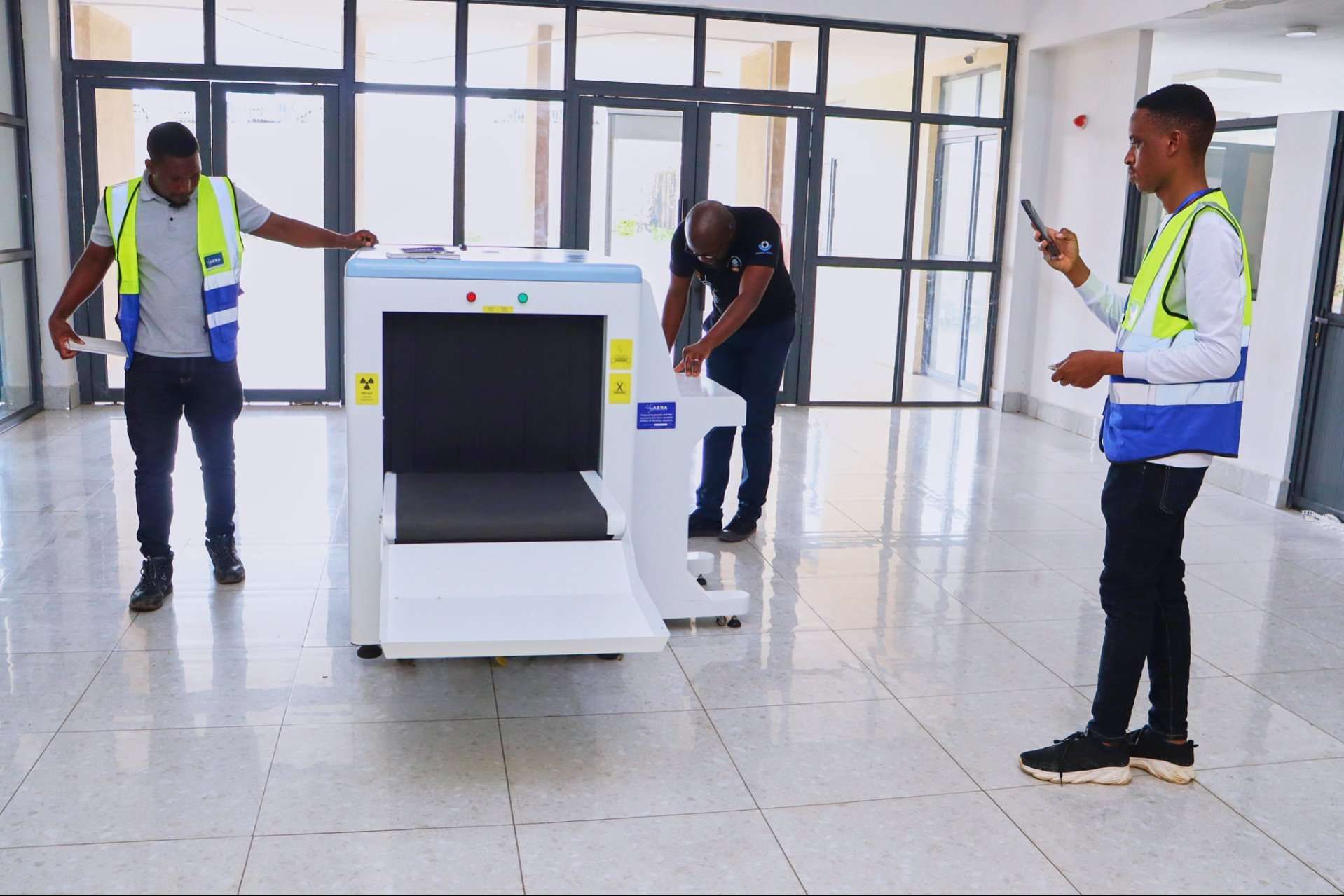
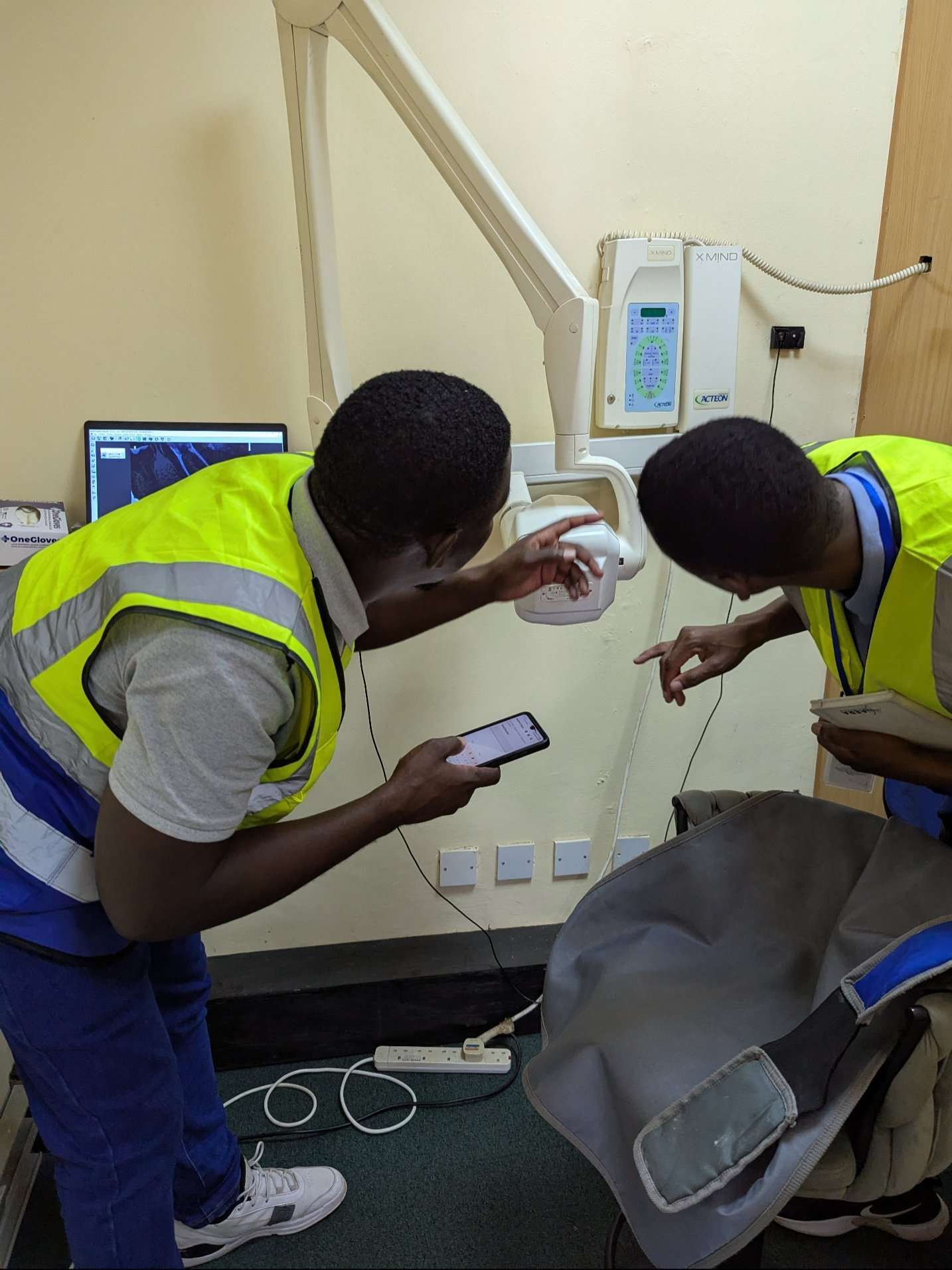
AERA reviews, approves, and inspects emergency preparedness and response plans submitted by radiation facilities. AERA also verifies compliance through audits, inspections, and periodic reviews to ensure readiness at all times
05
Process
Coordinated Response and Incident Management
1
Incident Notification
All suspected or confirmed radiological incidents must be immediately reported to AERA and relevant emergency authorities by operators, institutions, or individuals
1
2
Initial Assessment and Verification
AERA conducts a rapid technical assessment to verify the incident, determine its nature, classify severity, and assess potential or actual impacts on people, property, and the environment
2
3
Emergency Classification and Activation
Based on the assessment, AERA classifies the event according to established emergency levels and activates appropriate response arrangements and coordination mechanism
3
4
Response Coordination and Implementation
A coordinated response is initiated involving relevant stakeholders. This may include radiation monitoring, evacuation or sheltering recommendations, access control, technical support, and containment measures
4
5
Public Communication and Risk Guidance
Continuous communication is maintained with stakeholders and the public, providing verified information, safety instructions, and updates throughout the emergency
5
6
Recovery, Investigation, and Lessons Learned
After the incident is stabilized, recovery activities commence, including environmental assessments, incident investigation, reporting, and documentation of lessons learned to strengthen future preparedness
6
Frequently Asked Questions
We are always happy to answer your questions
AERA is committed to ensuring a coordinated, transparent, and effective national response system for radiological emergencies through regulation, preparedness, and stakeholder collaboration.
Contact UsWhat is a radiological emergency
A radiological emergency is any incident involving radiation sources or materials that could lead to actual or potential exposure to people, property, or the environment beyond established safety limits
Who is required to report a radiation incident
All licensed radiation facility operators, institutions, and individuals who become aware of a radiological incident are required to immediately report it to AERA and relevant emergency authorities
What should the public do during a radiological emergency
The public should follow official instructions issued by AERA and emergency response authorities, avoid affected or restricted areas, and remain calm while awaiting verified information
Does AERA conduct emergency preparedness exercises
Yes. AERA regularly conducts and participates in national and facility-level emergency drills, simulations, and training exercises to ensure readiness and coordination among stakeholders.
Why is emergency preparedness important
Emergency preparedness is essential to minimize health and environmental risks, ensure rapid and coordinated response, protect lives and property, and strengthen national resilience to radiological incidents