Nuclear Security
Home
Nuclear Security

Overview
Nuclear Security Framework
Nuclear security refers to the prevention, detection, and response to theft, sabotage, unauthorized access, and illegal transfer of nuclear and other radioactive materials. It aims to protect people, property, and the environment from malicious acts involving such materials
At the national level, the Regulatory Authority establishes and enforces nuclear security measures through licensing, inspections, and coordination with relevant security agencies. These measures are aligned with international guidance provided by the International Atomic Energy Agency (IAEA) and contribute to national and global efforts to prevent nuclear and radiological terrorism
Components
What Constitutes Nuclear Security
Physical Protection
- Implementation of access control and authorization systems by operators
- Installation of surveillance, detection, and alarm systems
- Deployment of trained and authorized security personnel
- Establishment of barriers and perimeter protection systems
- Continuous monitoring and maintenance of physical protection measures
01
Licensing and Authorization
The Regulatory Authority establishes regulatory requirements for nuclear security and ensures that facilities handling nuclear and radioactive materials obtain authorization. Operators are responsible for implementing approved nuclear security plans, while the Regulatory Authority conducts inspections, reviews security arrangements, and enforces compliance with national requirements
02
Risk and Threat Evaluation
- Identification and assessment of potential threats to nuclear and radioactive materials
- Conduct of vulnerability assessments by operators
- Application of Design Basis Threat (DBT) in developing security measures
- Continuous evaluation of evolving risks and emerging threats
- Periodic review and updating of security measures based on threat assessments
03
Emergency and Security Response
- Coordination between operators, Regulatory Authority, and law enforcement agencies
- Establishment of incident detection and reporting mechanisms
- Implementation of emergency response procedures for security events
- Response to theft, sabotage, or unauthorized access incidents
- Recovery, mitigation, and post-incident assessment
04
Radioactive Source Security
Operators are responsible for ensuring that radioactive sources are securely managed throughout their lifecycle, including use, storage, transport, and disposal. The Regulatory Authority provides oversight through licensing, inspections, and compliance monitoring to prevent loss, theft, or unauthorized access to radioactive materials
05
Security Culture and Awareness
The Regulatory Authority promotes a strong nuclear security culture by ensuring personnel handling nuclear and radioactive materials understand their responsibilities. This includes training, awareness, and practices that promote vigilance and accountability. A strong security culture enhances protection systems and helps prevent unauthorized access, theft, or sabotage in line with guidance from the International Atomic Energy Agency
06
Implementation
Nuclear Security Process
1
Licensing and Security Plan Approval
Facilities submit security plans for review and approval before operation
1
2
Implementation of Security Measures
Approved physical protection and security measures are implemented and maintained
2
3
Inspection and Evaluation
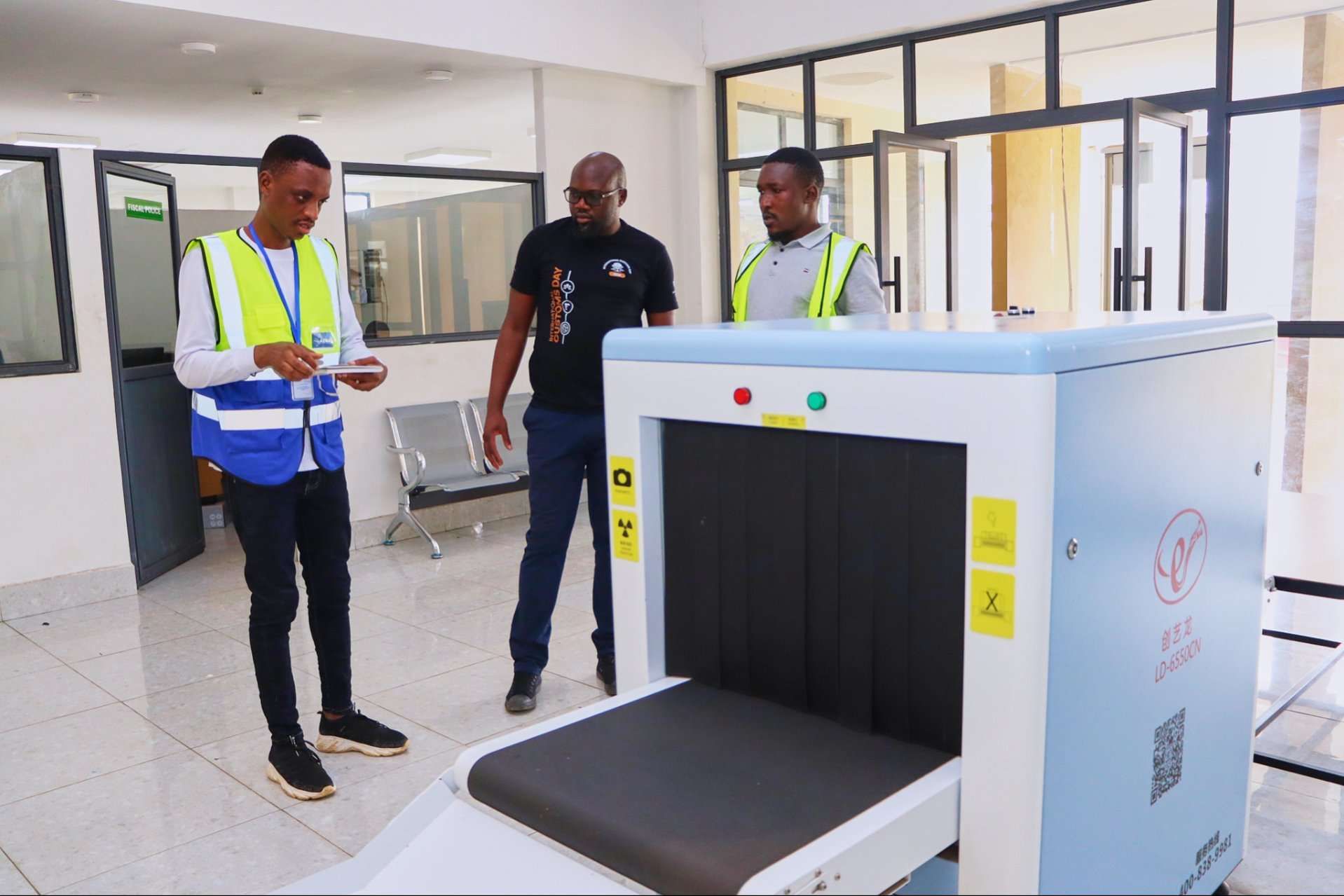
The Regulatory Authority conducts inspections to assess compliance with security requirements
3
4
Monitoring and Reporting
Continuous monitoring and reporting of security-related events and activities
4
5
Incident Response
Immediate response to security incidents in coordination with relevant authorities
5
6
Enforcement Actions
Regulatory actions are taken in cases of non-compliance
6
Frequently Asked Questions
Nuclear Security Guidance
This section provides answers to common questions regarding nuclear security requirements, responsibilities, and protective measures
Stakeholders are encouraged to comply with all regulatory requirements and report any suspicious activities to the Regulatory Authority
Contact UsWhat is nuclear security
Measures to prevent, detect, and respond to malicious acts involving nuclear or radioactive materials
What is nuclear security culture
Nuclear security culture refers to the attitudes, behaviors, and practices of individuals and organizations that support and strengthen nuclear security. It ensures that all personnel understand their responsibilities and remain vigilant in protecting nuclear and radioactive materials
Who is responsible for nuclear security
Both operators and the Regulatory Authority share responsibility
What is a security plan
A document outlining measures to protect nuclear materials and facilities
What should be done in case of a security incident
Report immediately to the Regulatory Authority and relevant security agencies
Are inspections conducted
Yes, regular inspections are conducted to ensure compliance with security requirements